The Urologists' Crystal Ball - Back to the Future
Where will we be in the next 80 years? - by Jonathan Goddard & the Museum Staff
 Over the last year, here at the BAUS Museum of Urology, we have been reflecting on the changes that have taken place in the field of urology and in urological surgery over time - and, in particular, since the formation of BAUS in 1945, 80 years ago.
So, in this last blog of 2025, we will try to look forward into the future of urological surgery.
The purpose of the study of history, and indeed of this museum, is not just to look back at the fascinating, surprising, terrifying, gory and sometimes hilarious stories of the past, but to think to the future.
In the same way a literature review prepares us for future research, helps us to avoid the mistakes of the past, reminds us that our great ideas are often not new at all and re-educates us about things we may have forgotten, history helps us to look forward and plan for the future.
Minimising minimally-invasive surgery
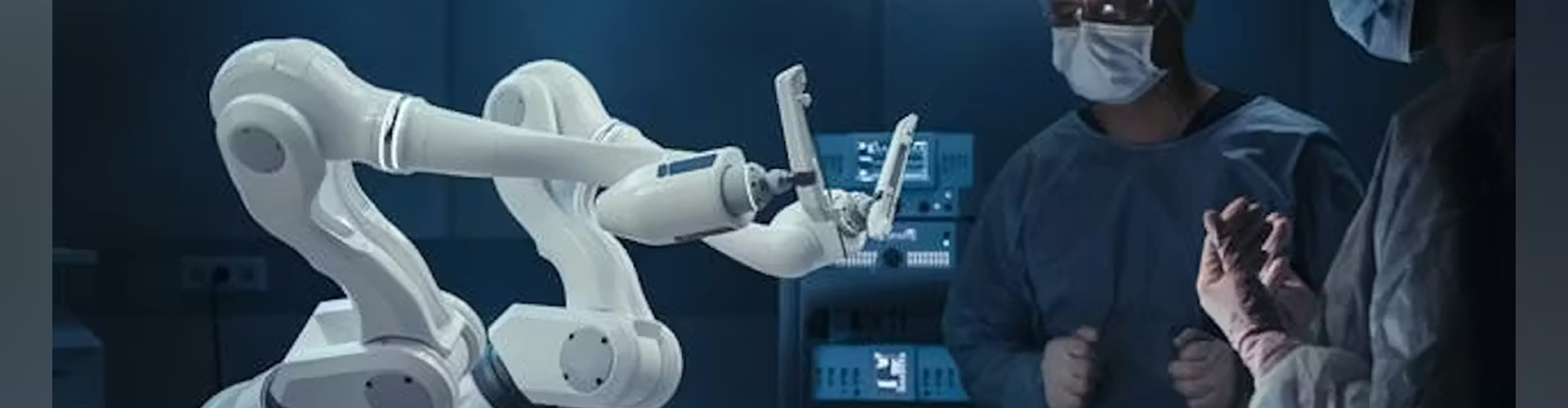
Urology is often at the forefront of surgical technology, not least in trying minimise the surgery itself. The lithotrity of the 1820’s and 30’s, the renal sparing surgery of the 1880’s, the percutaneous surgery of the 1980’s, laparoscopic surgery of the 1990’s and then the robotic revolution of the 21st Century all attest to this. Surely the future urologist will push this boundaries. We expect to see incisions and access becoming smaller, less invasive & less painful. The robots will continue to improve in the subtlety and range of their movements; better haptic feedback will bring the surgeon’s fingers closer to the patient’s tissues.
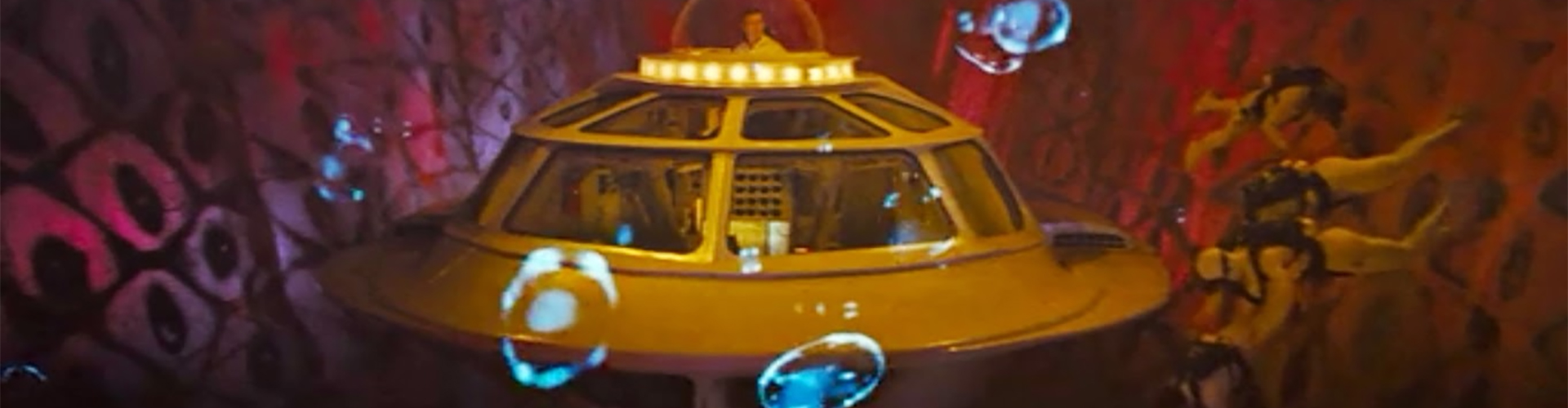
Maybe the robots themselves will actually become true autonomous robots and operate independently rather than steady the hands of a human - this has already taken place in the USA. Perhaps, rather than the huge external metallic spiders of today, the robot of the future will enter the body whole, travel to the site of disease and deal with it in situ (hopefully without Donald Plesance and a miniaturised surgical team – for those oblivious to that reference, please watch the 1966 film, "Fantastic Voyage", screenshot below).
On a similar note, video capsule endoscopy can now search the gastrointestinal tract for pathology - when will the urological capsule wander through the urethra, bladder, ureter to find the early calyceal tumour? Or will that tiny robot be eclipsed by such finely tuned imaging modalities before it is even invented? Surely the harmful radiation of our CT scanners will disappear as other safer energies replace it whether with magnets or soundwaves (that we know of) or as yet unimagined searching rays.
Rather than smaller robots, we may continue to see smaller interventions overall. Why remove the whole organ when the disease is in just one part of it? Since the 1880’s we have tried not to sacrifice a kidney to treat a small stone. Focal treatments for prostate cancer, renal cancer and BPH are with us now, why not take this beyond the macroscopic lesion down to the cellular level? Rather than ablative techniques, will we see tissue repair technology in functional urology and sexual dysfunction?
New organs for old
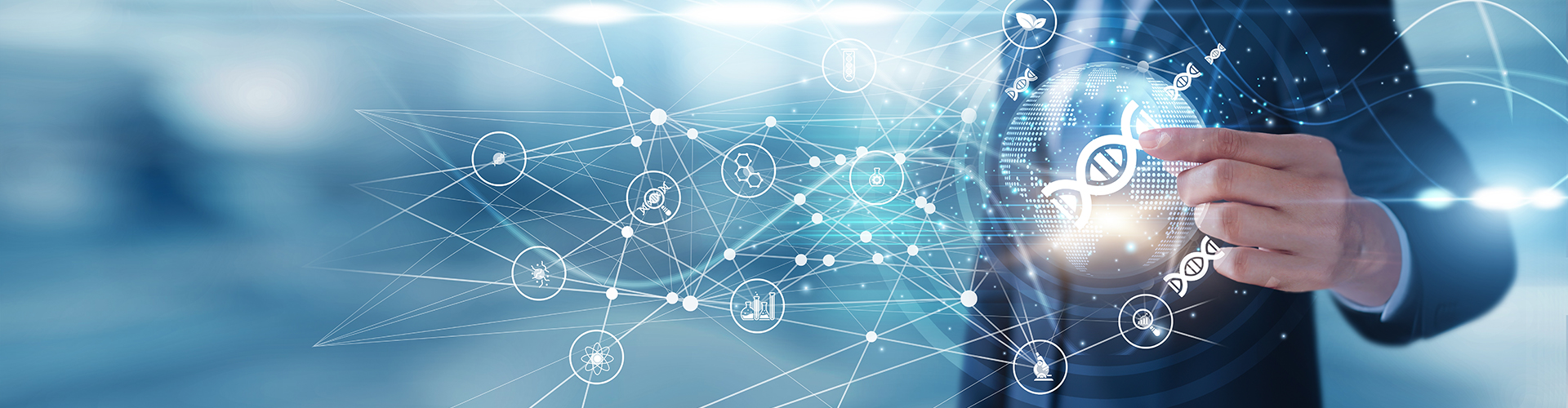
If we can’t repair, replace. Tissue bioengineering to build new organs may see the end of organ transplantation. Much work has already been carried out on growing bladders, but the bladder is not just a water bottle, it is a complex multifunctional organ. Scientists of the future will need to recreate an organ to store, monitor volume and fully empty, when appropriate, whilst maintaining a constant communication with the nervous system of its new owner.
New organs need to be perfectly compatible with their recipients, and we are all genetically unique. Increasing understanding of the human genome will see more focussed, personalised medicine.
Will surgery become obsolete?
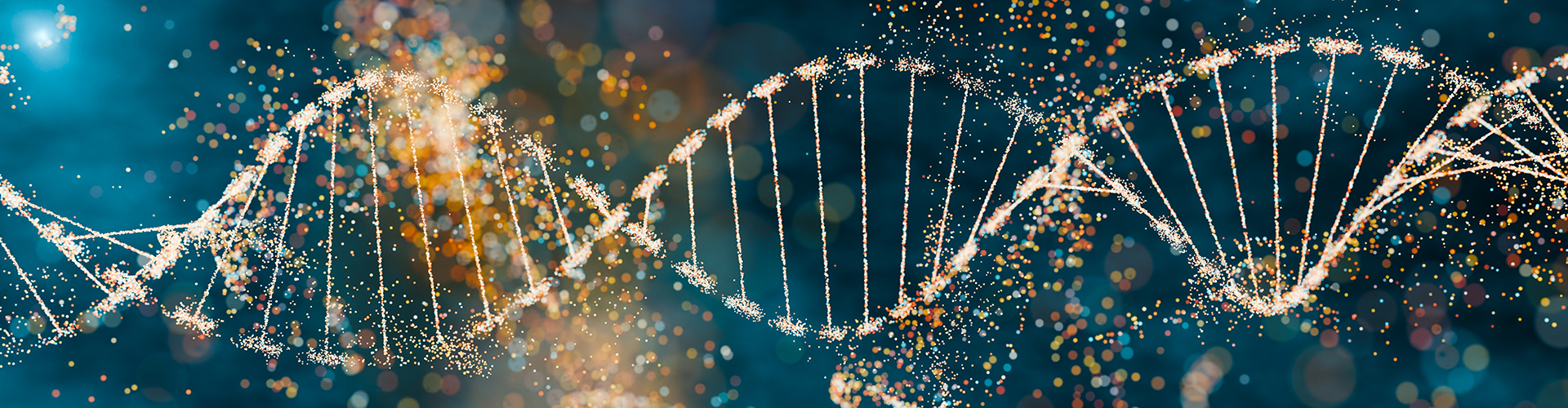
Already, a knowledge of certain gene mutations, such as BRCA, can inform us about disease risk. In the future one’s genome could be fully examined at birth, or more likely in utero, disease risk assessed and perhaps corrected. As our body cells change, are damaged by environmental forces, and allow disease to take hold, future monitoring would detect this in time for remedial action to be taken. Perhaps people will laugh at us, in the future, for using surgery to cure disease when gene manipulation via molecular biology can do the same.
Artificial intelligence (AI)
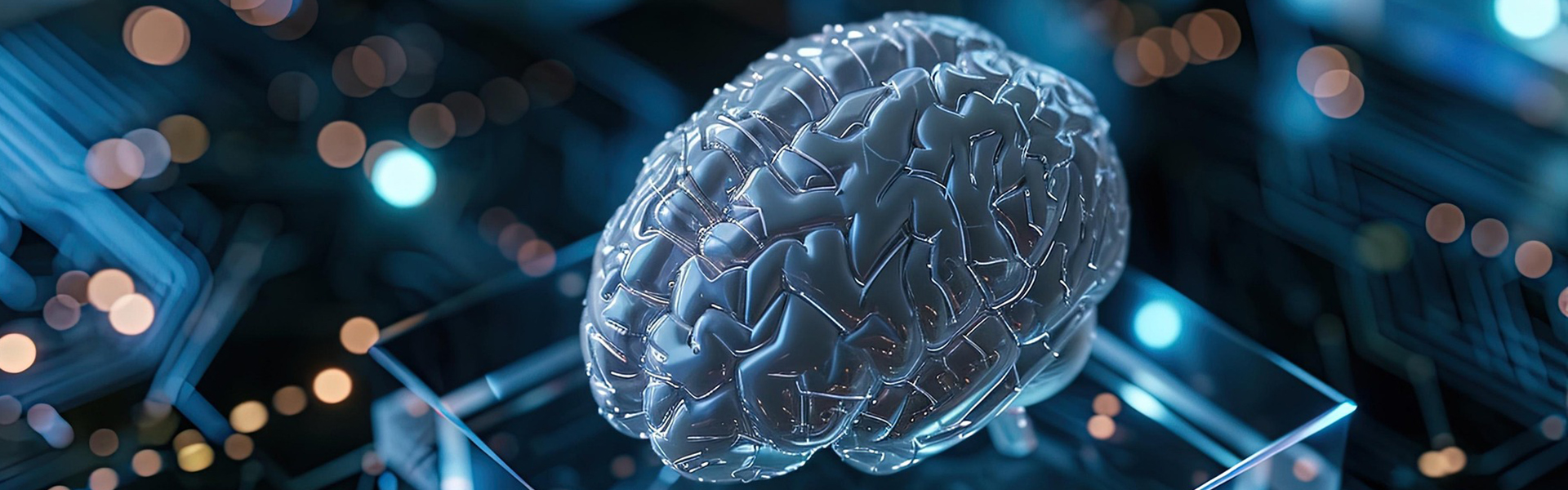
Knowledge has accumulated over time. We have always learned from other humans; essential information was initially passed on by stories, songs, poems and traditional rituals. A more permanent record appeared on tablets, papyrus scrolls and books.
The knowledge of the world was held in libraries of these books for us to learn, if we had the skills, the access and the time. Now, we each carry a large part of that knowledge with us in our pockets and bags. The introduction of calculating engines and then computers has helped us to, filter, process and utilise that knowledge.
Most recently, Artificial Intelligence (AI) can now, almost instantly, review and collate that data to answers complex questions and it seems to have already become an integral part of our lives. The future - probably the imminent future - will see AI becoming increasingly pivotal in the world of urology. The interrogation and processing of a huge amount of data, quickly and accurately (assuming that data is itself correct) is the perfect use of the computer. AI will very soon assist us in the diagnosis and management of disease as well as in the co-ordination of the population of our clinics, units, hospitals, cities, regions and countries. Whether it is in the reviewing of scans, the planning of personalised therapy or the writing of clinic letters, it will be beholden of humans to monitor the accuracy, progress and ethics of this; no small task.
Prevention is better than cure

As the population ages, accumulating more disease along the way, one hopes the future will concentrate more on the beginning of the story rather than the end. The prevention of disease has always been a major part of the doctor’s responsibility.
A reading of the works of medics from ancient times onwards reveals the care and effort taken to adjust the patients’ diet, activities and mental state to keep them healthy. Hopefully, as we delve deeper and deeper into the cellular and molecular world of health and disease, we can divert the path of pathology and prevent before we are obliged to cure.
No-one reading this blog is likely to be around in 80 years' time, so these ideas are, of course, mere speculation ... do let us know what you think, using the link below.
We'd be very happy to publish your thoughts here, should you allow us ... do let us know.
Send us your feedback / comments
← Back to BAUS 80th Anniversary